

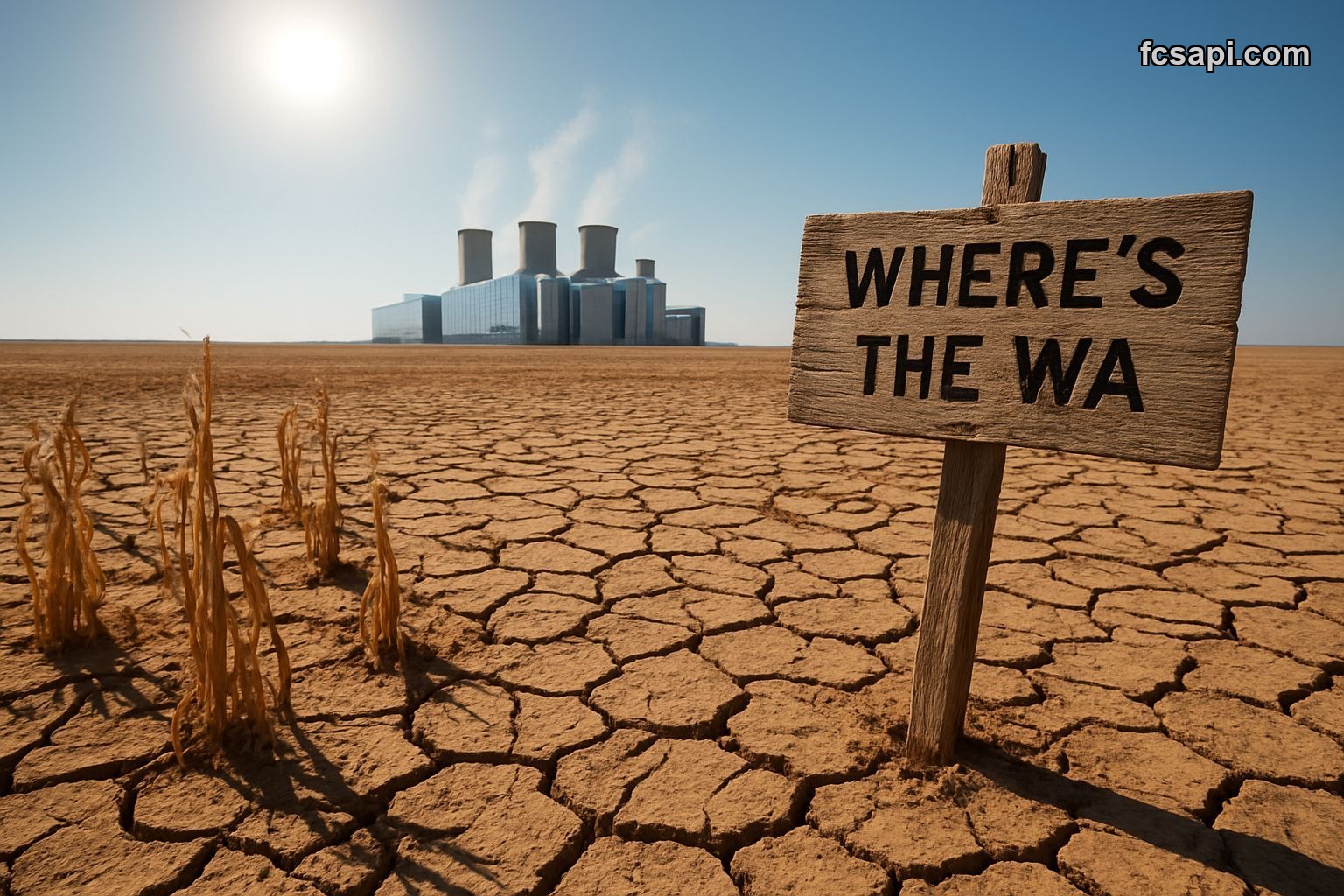
You probably think global food prices respond to global supply, right? Everyone does. Big harvests, prices go down. Simple economics. That used to be the play. Not anymore, not in February 2026.
We're sitting on something bizarre right now. The latest agricultural reports just dropped, and they scream bumper crops. Global grain yields are up a solid 8% over last year. That’s a new record for plenty of staple foods. By all accounts, the supply side looks great, even considering population growth.
The Shocking Regional Disconnect
But then you look at the real market. In key regions – the US Southwest, parts of Southern Europe, even some formerly reliable agricultural zones in Asia – local produce is through the roof. Things like lettuce, almonds, even dairy feed in some spots? Up 18-25% since October.
This isn't logistics. It's not some new trade tariff. The surprising data point is stark: Despite a global 7% year-over-year increase in overall food production, prices for high-water-demand agricultural goods in specific regions have surged over 20% in just the last six months due to local water reallocation. We're seeing record abundance globally, but localized starvation prices if you rely on the domestic market in these areas.
I got burned last summer chasing that "resilient agricultural ETF" based on global production numbers. Big mistake. Thought I was smart playing long on wheat futures, but it didn't reflect the regional realities at all. This disconnect is the new normal if you’re trying to figure out what's trending right now in finance, crypto, stocks, or the global economy in February 2026.
AI's Thirsty Infrastructure
So, what’s actually happening? It’s AI. No, not directly. It’s the infrastructure powering the AI boom. These massive data centers popping up everywhere need colossal amounts of electricity, sure, but they also need an insane amount of water for cooling. Think about it: racks of servers, processors running at full tilt, they get hot. Really hot. Air conditioning just recirculates the heat; liquid cooling actually removes it, but that water cycle has to be replenished constantly.
In regions already prone to drought or with strained water resources, the priority has quietly shifted. Local governments, chasing tech investment and high-paying jobs, are signing deals that divert water away from agriculture. Agriculture is notoriously water-intensive too, but it doesn't have the same political pull as a tech giant promising thousands of server engineer positions.
The situation isn't just about a couple of new facilities. It's a land rush for compute power, and water rights come with it. You're building a massive AI training facility in Arizona or Spain? You need to guarantee years of cooling capacity. That guarantee comes from the local water table, directly competing with the fields nearby.
Investment Strategy Amidst Scarcity
This creates a wicked problem for investors. You can't just short global food futures because global production is strong. You need a nuanced approach, something specific to these shifting tides. The "how to Write about whatever is trending RIGHT NOW in February 2026 in finance, crypto, stocks, or global economy. Pick the hottest topic yourself — something people are actually searching today. Be specific, not generic." strategy for 2026 demands precision.
Here’s the thing: you gotta ignore the big, shiny, optimistic headlines about endless tech growth for a second. Look at the shadows. Consider specific water utilities in growth regions for data centers. They might be constrained, or they might be consolidating power, literally. Think about agricultural tech that requires significantly less water – vertical farms, precision irrigation companies. These are the defensive plays, perhaps the best Write about whatever is trending RIGHT NOW in February 2026 in finance, crypto, stocks, or global economy. Pick the hottest topic yourself — something people are actually searching today. Be specific, not generic. tips you'll get.
On the flip side, be wary of traditional agricultural landholders in these new water-stressed zones. Their yields, or their ability to even grow crops, will face increasing pressure. Monitoring these localized commodity prices and understanding regional supply chains becomes paramount. You can't rely on broad indices anymore. You need granular, real-time data, and that's where something like the FCS API for forex comes in handy for digging into specific regional commodity pairs or currency shifts tied to local agricultural markets. It's about knowing if a country is suddenly importing more because its own fields are fallow. Check out the API pricing if you need serious data streams.
The Long Game
This isn't a temporary blip. The AI revolution isn't slowing down. Its demand for computational power, and by extension, its demand for water, will only accelerate. This structural shift in resource allocation is going to redefine localized economic viability. You might see certain agricultural sectors simply migrate, but that’s a slow, costly process, and it leaves behind plenty of market volatility in the interim.
So, when you see those reports about record harvests, don't just nod. Ask yourself where that water actually went. Because chances are, if you're not seeing it in the fields, it's being sucked up by a cooling tower for a server farm, silently impacting the global economy and your investment portfolio in ways you hadn't even considered. It's a new kind of risk, one that completely upends old assumptions about what drives commodity pricing in February 2026.