


The Fed's messaging in February 2026 has traders sweating. After months of pricing in three or four cuts this year, Powell's comments last week shifted the narrative. Now we're looking at maybe two cuts, maybe later, maybe not at all if inflation sticks. The bond market threw up immediately. Equities haven't fully digested this yet.
I've been tracking rate expectations since November and the swing in probabilities is violent. We went from 85% odds of a March cut to under 20% in three weeks. That's not subtle recalibration, that's panic.
Why the Pause Matters More Than You Think
Markets built entire positions around falling rates. Tech stocks rallied on the assumption that discount rates would drop, making future earnings worth more today. Bonds rallied because lower rates mean higher bond prices. Currencies shifted because dollar carry trades assumed Fed easing would weaken the greenback.
All that unwinds if the Fed holds. Not slowly, not politely — fast and ugly. The reflexive trade here isn't "wait and see", it's "exit before everyone else does". I learned this in 2018 when Powell paused hiking and equities still tanked because positioning was too crowded.
The specific risk is this: if the next CPI print comes in hot (anything above 0.3% monthly), the March meeting becomes a no-go. That pushes the first cut to May at earliest. Maybe June. Maybe September. Each delay compounds the disappointment because traders keep hoping and repositioning, burning capital on bad timing.
What Breaks First
High-duration assets get wrecked first. Long-dated bonds, growth stocks with no earnings, anything levered to future cash flows. We already saw Nasdaq underperform the Dow last week — that's the tell. When defensive sectors outperform tech, the market's pricing in Fed disappointment even if headlines don't say it yet.
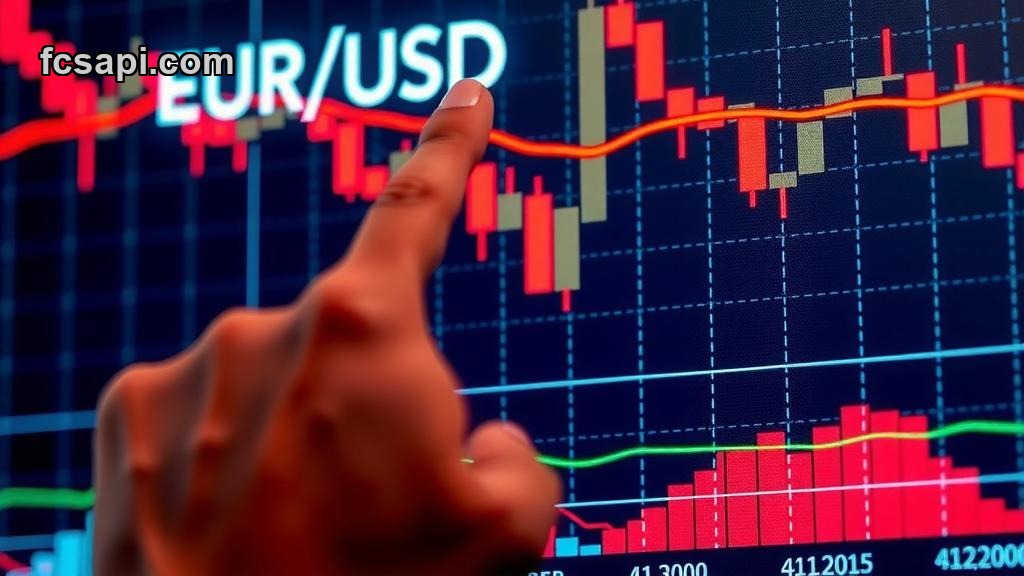
The dollar's the other side. EUR/USD dropped 200 pips in two sessions after the last FOMC minutes leaked hawkish. If you're long euro or short dollar expecting Fed cuts to weaken USD, you're bleeding. The currency dynamics flip hard when rate differentials move against consensus.
I took losses on this exact setup in early January. Bought euro at 1.0950 expecting Fed dovishness, got stopped out at 1.0820 when the data didn't cooperate. Cost me real money because I was early and wrong on timing.
The Inflation Problem Nobody Fixed
Core services inflation is still running above 4% annualized. Shelter costs aren't falling fast enough. Wage growth is sticky around 4.5%. The Fed wants all of that closer to 3% before they cut, and it's not happening on their timeline.
Powell keeps saying "we need more confidence". That's Fed-speak for "the data isn't there yet". Markets hear "maybe next month" but the Fed means "maybe never if this doesn't improve". The gap between what traders want and what the Fed sees is massive right now.
- CPI core at 3.2% year-over-year, target is 2%
- PCE deflator still elevated in services
- Labor market showing zero signs of meaningful slack
- Credit conditions loosened after the 2023 banking scare wore off
None of that screams "emergency rate cuts". It screams "hold and watch". And if inflation reaccelerates even slightly, we're looking at zero cuts in 2026. That's not my base case but it's not a 5% tail risk either. More like 30-35%.
How This Plays Out
Two scenarios. First: inflation cools just enough by April, Fed cuts in May, markets rally into summer, everyone forgets this panic. That's the soft landing dream. Odds? Maybe 50-50.
Second: inflation stays stubborn, Fed holds all year, equities correct 10-15%, dollar rips higher, bonds sell off further, recession fears come back because the economy can't handle higher-for-longer as well as everyone thought. I'm more worried about this one because positioning is so lopsided.
The risk is asymmetric. If the Fed cuts, markets already priced in most of the upside. If they don't, there's way more downside than people think. That's a bad risk-reward for being long here without hedges.
What I'm Watching
Next CPI print on February 28th. If core comes in at 0.4% or higher, May cut odds collapse. If it's 0.2% or under, we're back in business. That one number dictates the next two months of price action.
Also watching credit spreads. If corporate bonds start widening relative to Treasuries, that's early warning that someone big is deleveraging. Happened in late 2018 right before the Christmas massacre. Spreads widened two weeks before equities really tanked.
Dollar positioning via real-time currency data is another tell. When hedge funds start covering short dollar trades in size, that shows up in the COT reports and order flow. We're seeing early signs of that now, which is why I'm cautious on shorting USD anywhere near these levels.
Trading This vs Hiding
I'm not saying sell everything. I'm saying acknowledge the risk is real and not priced. If you're overweight equities because "Fed cuts are coming", that's hope-based positioning. Hope costs money when the setup shifts.
Cash is paying 5% in money markets right now. That's real yield, no duration risk, fully liquid. Sitting out until the Fed's path is clearer isn't cowardice, it's math. The opportunity cost of being wrong while long is way bigger than missing the first 3% of a rally if I'm wrong and they do cut.
I moved 40% of my trading account to cash last week. Not market timing genius, just risk management when the odds don't favor my side. I'd rather miss a rally than eat a 12% drawdown because I stayed stubborn. Seen that movie too many times, always ends the same way.
The Fed pause risk in February 2026 is real, underpriced, and capable of moving markets violently when traders finally accept it. If you're positioned for cuts that might not come, this is the time to reassess before everyone else does. That's when you still have liquidity and decent fills. Wait too long and the exits get crowded fast.