


You see AUD/JPY pushing hard, trading at 108.64 right now. That's a serious jump, up +0.681% from its open just hours ago. Most folks would just glance at that, see the green, and think "bull run," but there's always more to the story.
Don't get me wrong, the charts are loud. But if you dig even a millimeter deeper, things get interesting. Sometimes the market just decides it's going one way, indicators be damned. That's where we are today.
The Headline Signal vs. The Details
The system gives a clear "Buy" signal for AUD/JPY. Not just a weak nudge, either. The overall trend is flagged as "Strong," and the price action? "Bullish." On paper, that's your cue to jump in, ride the wave, no questions asked.
And for good reason. This pair has seen a significant climb. We're talking 13.8889% performance over the last six months alone. That’s not a fluke. It suggests genuine underlying strength, a relentless climb towards something bigger.
But anyone who’s traded for more than a few weeks knows it’s never that simple. You always have to squint at the fine print. This isn't some binary game where "Buy" means zero risk. If only it were.
Oscillators Are Yelling "Sell" (And I'm Watching)
Here’s where it gets messy. While the overarching signal shouts "Buy," the short-term oscillators are practically screaming the opposite. We’re talking about a MACD Level of 0.8609, which is a "Sell." Then there’s the Stochastic K% at 46.0672, also flashing "Sell."
This is the kind of divergence that keeps you up at night, or at least makes you hesitate before committing big. It's like the car's going 100 mph, but the engine light just came on. Are you going to keep your foot down? The RSI sits right in the middle, neutral at 55.6979, offering no help to either side. Just chilling.
I’ve been burned by ignoring these short-term warnings before. Not necessarily with AUD/JPY, but a few years back, I rode a Euro pair too long because the trend was strong, overlooking a screaming MACD divergence. Wiped out half my weekly gains in one afternoon. Always respect the noise, even if you decide to push through it. You can track all these nuances with a good data provider. If you want to dive into these specific metrics, the forex API documentation lays it all out.
Moving Averages and The Price Push
Let's look at the moving averages. The SMA 25 is currently at 107.886, which is a "Buy" signal, confirming the general upward momentum. The price today, 108.64, is a decent clip above that average, which again, looks good.
However, the EMA 10 is sitting at 108.737, which currently registers as "Neutral." The current market price is right there, almost touching it. This often means things could swing either way in the immediate short term. It’s a point of contention, almost a magnet.
Even more interesting is the Demark Pivot Point R1, set at 108.407. The market punched right through that today. This is a technical breakout, or an overextension, depending on how you read the mood. The all-time high for AUD/JPY sits at 110.794, so there's still some headroom if this bullish sentiment persists. But breaking resistance doesn't always mean a straight shot to the top. 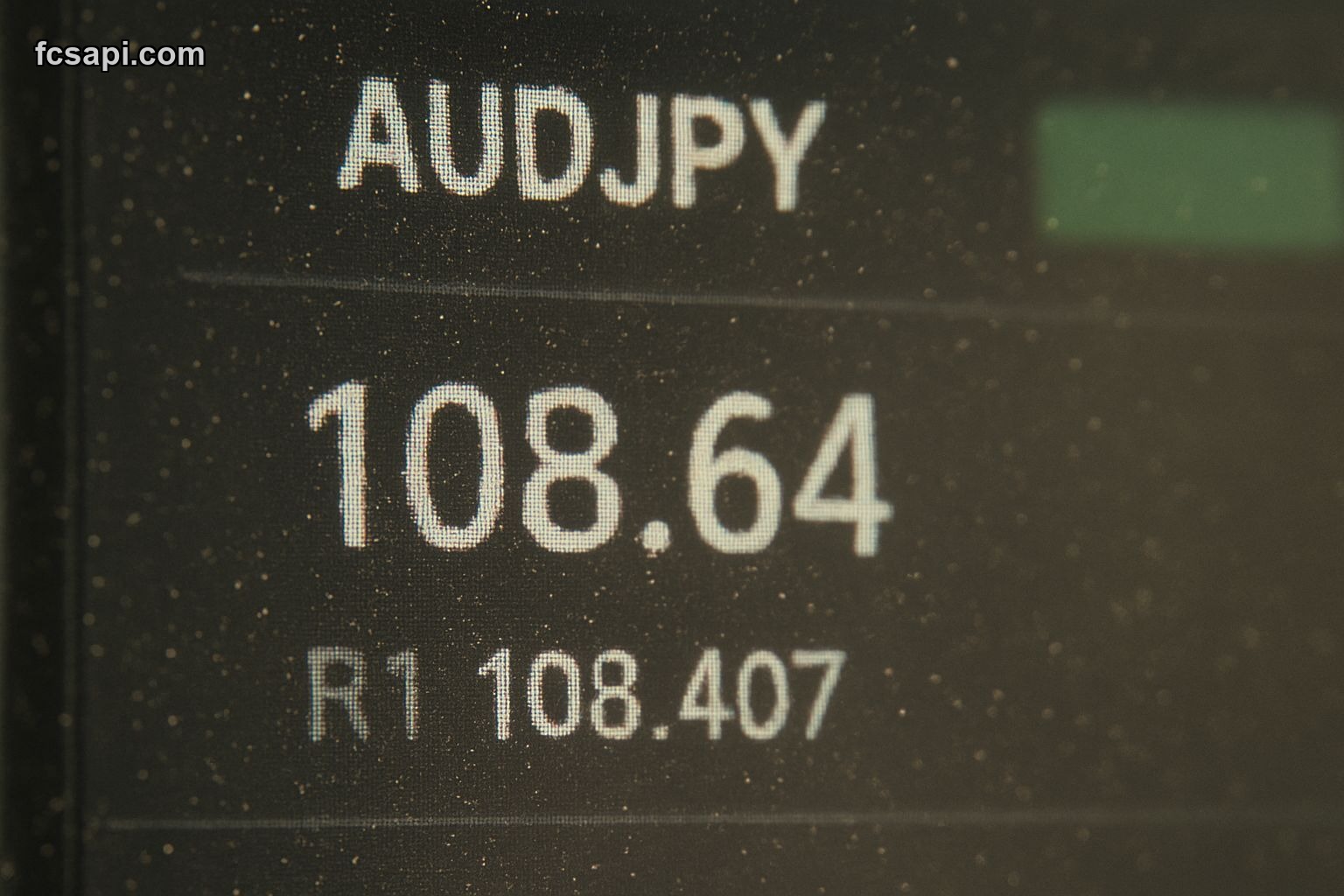
What's Next for AUD/JPY?
So, what’s the play here? We’ve got a "Strong" trend and a "Bullish" signal with serious upward momentum. But we also have loud "Sell" signals from key oscillators and a neutral short-term moving average. It's a classic battle between conviction and caution.
My take? The market has ignored the oscillator warnings today. The sheer force of the buying has pushed through. I’d lean towards holding or looking for entries on any minor pullbacks, with a sharp eye on those oscillator reversals. If MACD and Stochastic start to turn upward, even slightly, it could signal that the bearish pressure is easing and the main trend is reasserting itself.
Watch that 110.794 all-time high. That’s the psychological target for many. If the price can consolidate above the broken R1 at 108.407, it's a good sign for continued upward pressure. It's a volatile environment, but the underlying direction feels clear, for now. For more analysis, check out the FCS API blog.