
Reliable financial data is an important part of modern investing, trading, research, and financial technology. Stock prices can change quickly during market hours, while trading volume, market trends, and company information can also change throughout the day. For investors and developers, having access to accurate and timely information can make financial analysis much easier.
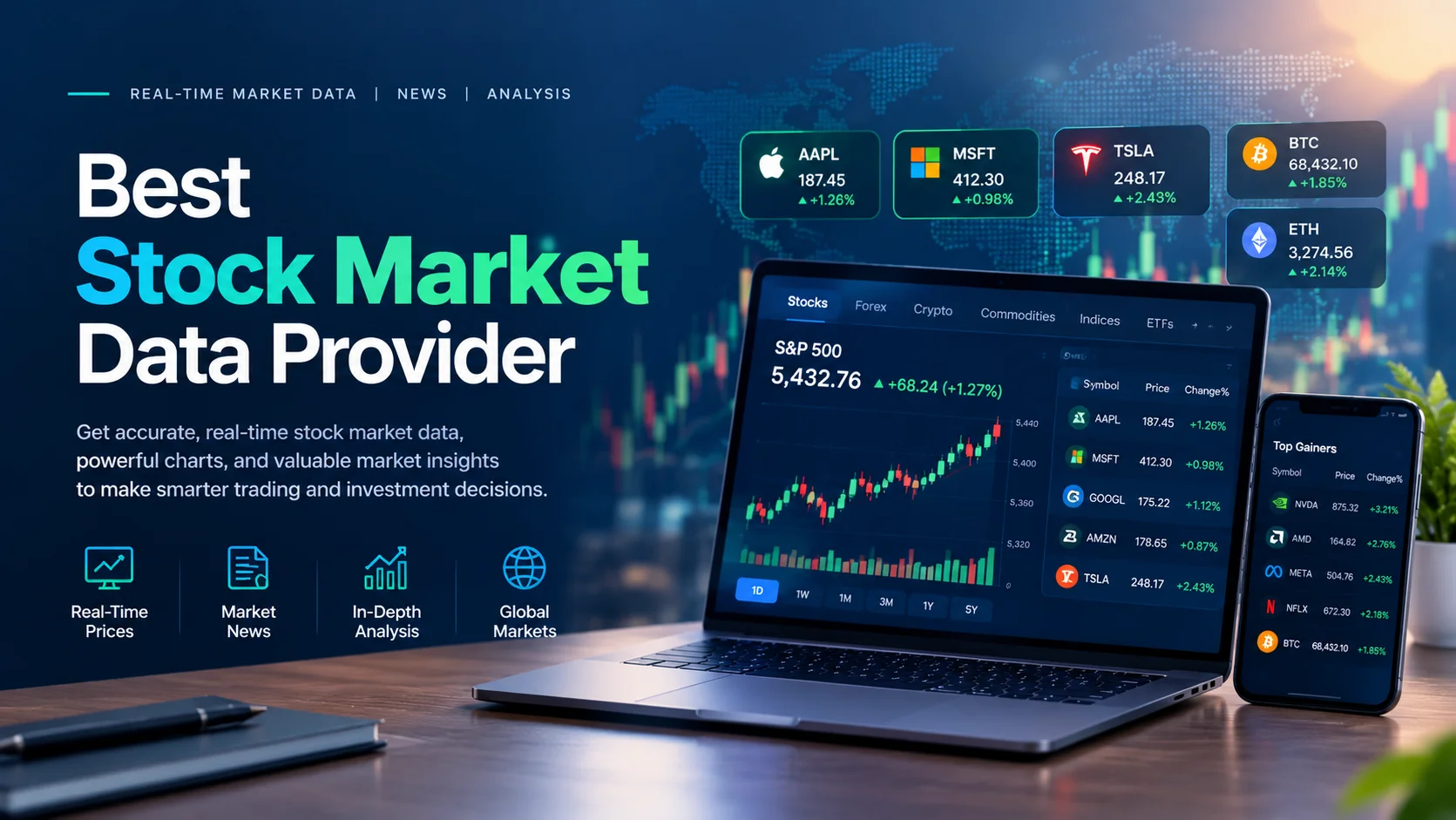
A best stock market data provider is not simply a service that offers stock prices. A good provider should offer reliable data, useful market coverage, historical information, suitable API access, and tools that make financial data easier to use. Developers may need market data for websites and applications, while traders and investors may need it for monitoring prices and studying market trends.
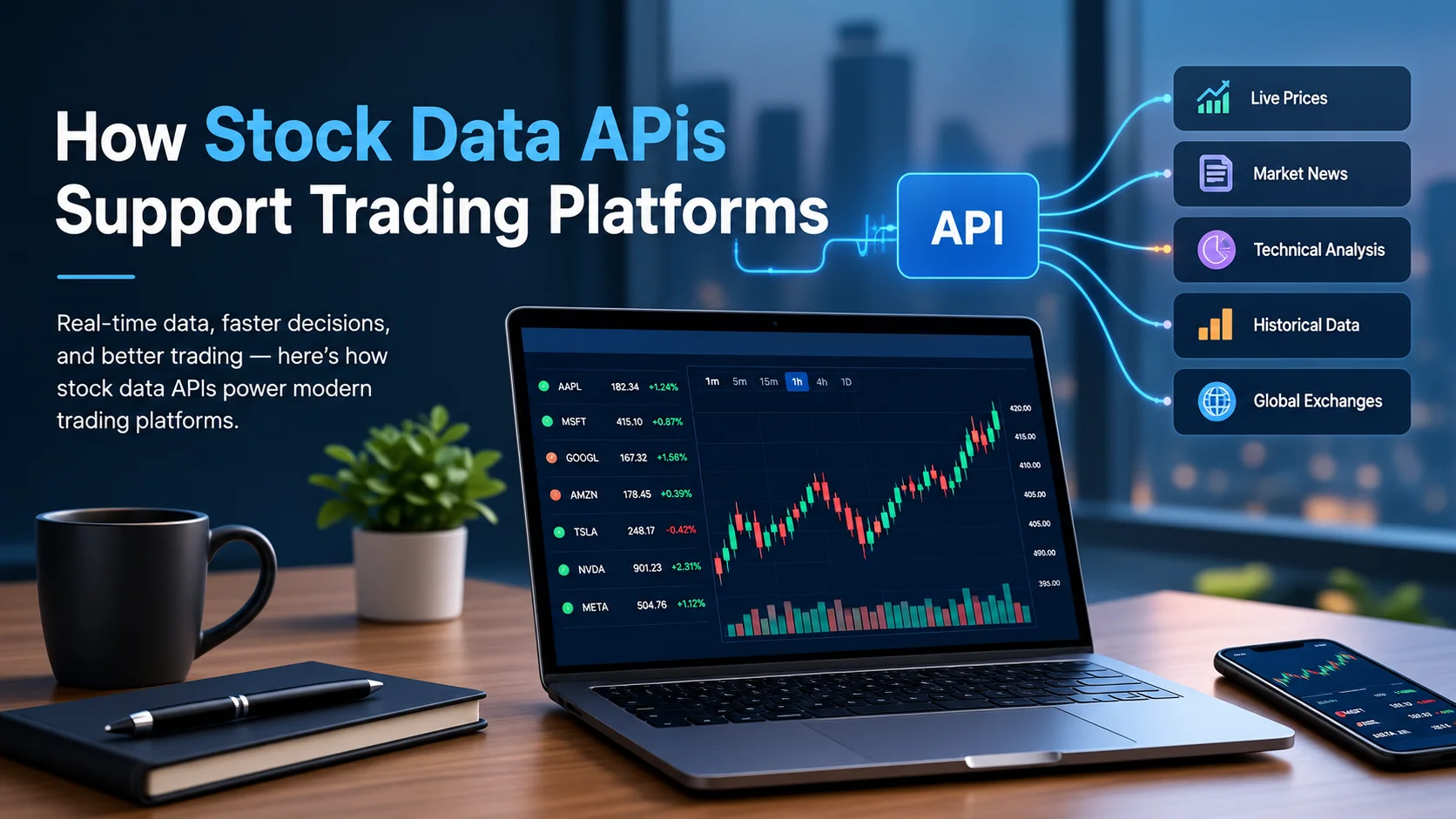
Financial APIs have made this process more convenient. Instead of collecting information manually from different sources, applications can connect to an API and retrieve structured market data. This allows developers to build stock dashboards, portfolio applications, financial websites, research tools, and other market-focused solutions.
What Is a Stock Market Data Provider?
A stock market data provider is a company or financial information platform that collects, organizes, and distributes information about stock markets. Depending on the provider, this information can include current prices, historical prices, market changes, trading volume, symbols, and other financial data.
Many providers deliver this information through APIs. An API, or Application Programming Interface, allows software applications to communicate with a data service. A developer can send a request for specific market information and receive the available data in a structured format.
For example, a stock tracking website may need the latest price of a particular company. Instead of manually updating that price, the website can use an API to request the information and display it automatically. This makes the application more efficient and easier to maintain.
Why Choosing the Right Provider Matters
The quality of financial data can have a direct impact on a financial application. If information is delayed, incomplete, or inconsistent, users may have difficulty understanding market conditions.
For developers, choosing the right provider can also affect the performance and scalability of an application. A small project may only require basic stock prices, while a larger financial platform may need historical data, multiple markets, charts, and frequent updates.
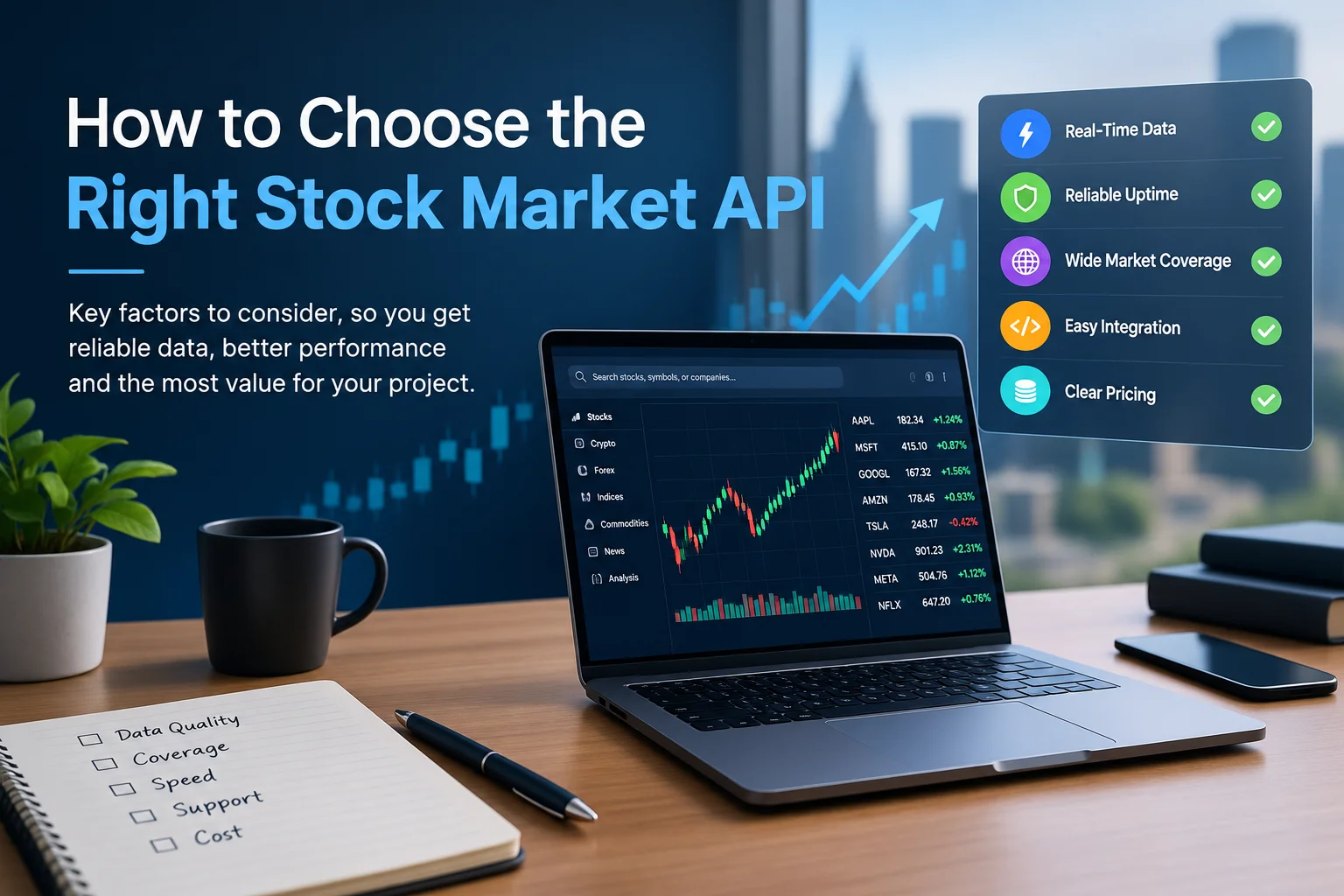
This is why businesses should look beyond the price of an API when selecting a stock market data provider. Data coverage, reliability, API documentation, available endpoints, and integration requirements should all be considered.
Important Features of a Good Stock Market Data Provider
One of the most important features is market coverage. A provider should support the markets and securities that users need. Some applications may focus on U.S. stocks, while others may require information from global markets.
Another important feature is data availability. A useful provider may offer current market information as well as historical data. Historical information allows users to study previous price movements, compare performance, and create charts based on different time periods.
API accessibility is also important for developers. A well-designed API should make it relatively easy to request information and integrate it into websites, mobile applications, and software systems.
Clear documentation is another valuable feature. Developers need to understand authentication methods, API endpoints, parameters, response formats, and usage limits. Good documentation can make the integration process much smoother.
Real-Time Stock Market Data
Real-time market information is particularly important for applications that monitor active markets. Stock prices can change rapidly during trading sessions, so users may want access to frequently updated information.
A stock market data provider can supply market information that applications use to update dashboards, price displays, charts, and monitoring tools. The exact level of real-time access depends on the provider and the relevant exchange or data service.
Developers should always check how frequently data is updated and whether the data meets the requirements of their application. Not every provider offers the same update frequency or market coverage.
For a trading dashboard, frequently updated data may be important. For an educational website, historical or delayed information may be sufficient. Understanding the project's requirements helps determine what type of data service is appropriate.
Historical Stock Market Data
Historical stock market data is another important feature to consider when choosing a provider. Current prices show what is happening now, but historical information helps users understand how markets have behaved over time.
Developers can use historical data to create interactive charts, performance comparisons, research tools, and analytical applications. Investors may use historical information to study previous price movements and market trends.
For example, an application could allow users to select a stock and view its performance over a specific period. The application can request historical data through an API and convert the response into a visual chart.
Historical data can therefore make a financial application more useful without requiring the developer to maintain a large market database independently.
Stock Market Data APIs for Developers
For developers, API functionality is often one of the most important factors when evaluating a stock market data provider. An API provides a structured way to connect financial information with software.
Most modern APIs use common web technologies and structured response formats. A developer may send a request containing a stock symbol and receive information such as price, change, volume, and historical values.
The data can then be processed by programming languages such as JavaScript, Python, PHP, Java, or other technologies. Developers can use this information to build custom financial products based on their specific requirements.
A good API should also have predictable endpoints and understandable documentation. These factors can reduce development time and make it easier to troubleshoot integration problems.
Stock Market Data for Financial Applications
Stock market data can support many different types of financial applications. Developers can use it to build stock screeners, investment dashboards, portfolio trackers, financial websites, market monitoring tools, and research platforms.
A stock screener, for example, may use market information to help users filter securities according to price, market capitalization, volume, or other available metrics. A portfolio application may use stock prices to estimate the current value of a user's holdings.
Financial websites can also use market data to display current prices and market movements. By combining data with charts and other financial information, developers can create a more complete experience for users.
Why Multi-Market Coverage Can Be Valuable
Although a project may initially focus on stocks, financial applications often expand to cover other asset classes. This makes multi-market coverage an important consideration when choosing a data provider.
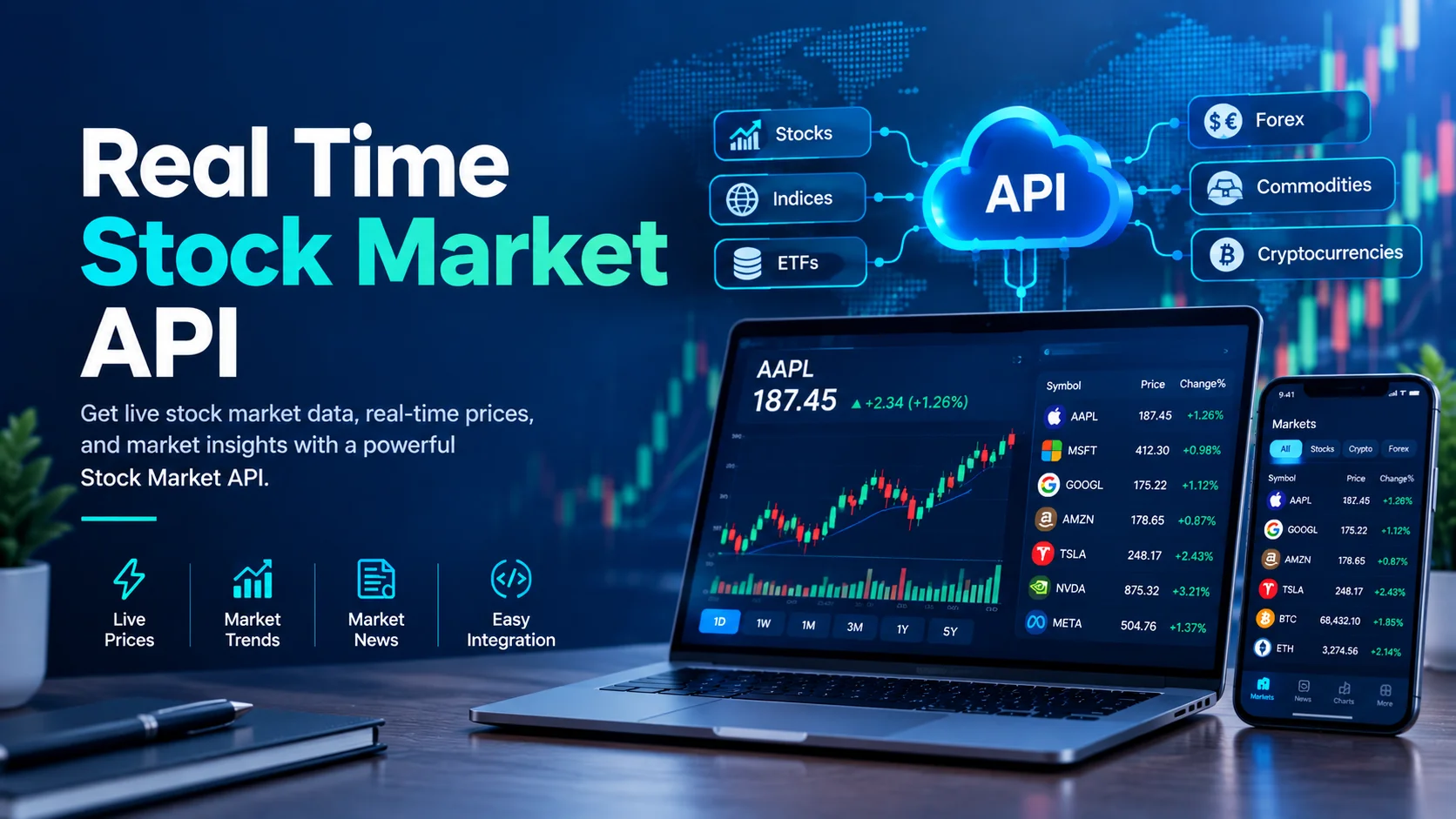
A financial information platform that supports stocks, cryptocurrencies, forex, commodities, ETFs, and indices can be useful for applications that need information from multiple markets.
For example, a user may want to compare stock market movements with currency or cryptocurrency trends. Having access to several asset classes through one financial data platform can simplify development and reduce the need to integrate several separate services.
How FCS API Supports Market Data Needs
FCS API is a financial information platform that provides financial API access to real-time market data, news, and analysis for global financial markets. Its coverage includes stocks, cryptocurrencies, forex, commodities, ETFs, and indices.
This broad market coverage can help developers and businesses build financial applications that work with different types of market information. Instead of focusing only on stocks, applications can potentially combine multiple financial data categories to provide a broader market experience.
FCS API also provides charts, economic updates, and educational content. These resources can help users understand financial markets and follow market trends more effectively.
For developers building financial tools, having market information available through an API can make it easier to connect financial data with custom applications and interfaces.
How to Compare Stock Market Data Providers
When comparing providers, it is useful to start with the data your application actually needs. Consider whether you require current prices, historical data, global market coverage, stock quotes, charts, or additional financial information.
Next, review the API documentation and integration process. A provider with clear technical documentation can make implementation easier, especially for developers who are working with financial APIs for the first time.
Data reliability should also be considered. Financial applications depend on consistent information, so the provider's infrastructure and data availability are important factors.
Pricing is another consideration, but it should not be the only deciding factor. A low-cost service may not provide the coverage or features required by a growing application. Similarly, a more comprehensive service may offer features that a small project does not need.
The best approach is to compare providers according to the actual requirements of the project.
The Role of Financial Data in Modern Technology
Financial data is becoming increasingly important as more businesses move their financial services online. Mobile applications, investment platforms, research websites, and analytical tools all depend on structured market information.
APIs make it possible to connect these applications with financial data without requiring developers to build an entire market data infrastructure themselves. This can save development time and allow teams to focus on user experience, analytics, and application functionality.
As financial technology continues to develop, reliable data will remain an important foundation for financial products.
Conclusion
Choosing the best stock market data provider depends on the needs of your project. A reliable provider should offer suitable market coverage, useful historical information, dependable data access, clear API documentation, and features that support the application's goals.
For developers, a stock market data API can provide a practical way to connect websites and applications with financial information. For investors and businesses, reliable market data can make it easier to monitor prices, understand trends, and conduct financial research.
FCS API provides access to financial market data across stocks, cryptocurrencies, forex, commodities, ETFs, and indices, along with charts, news, economic updates, and educational resources. With the right data provider, developers can build more useful financial applications while users can access market information in a more convenient and organized way.